
65% waste woodpowder
35% recycled HDPE
15 colors
12 Patterns
Solid or Hollow

65% waste woodpowder
35% recycled HDPE
15 colors
12 Patterns
Solid or Hollow
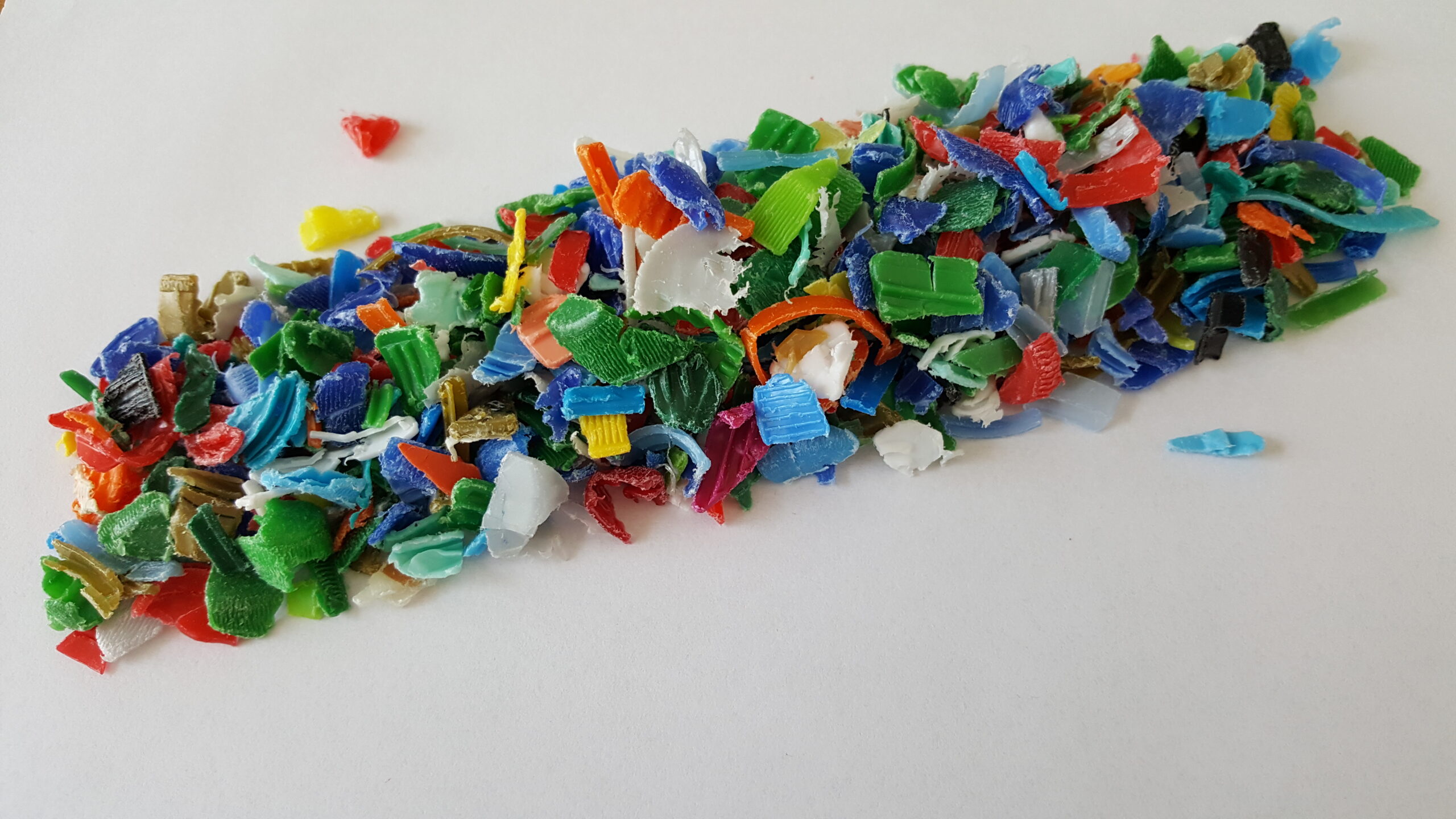
1. Material Preparation: The base materials for coextruded WPC typically include a core layer of wood plastic composite and one or more outer layers of different materials. The core layer is usually composed of a blend of wood fibers or flour and thermoplastic resin, while the outer layers can consist of a variety of materials such as virgin or recycled plastics, polymers, or other additives.
2. Extrusion: The coextrusion process involves the use of specialized machinery called coextruders. The wood plastic composite core layer and the additional outer layers are simultaneously fed into the coextruder. Each layer is melted separately at the appropriate temperature using heating elements and then combined in the die head of the coextruder.
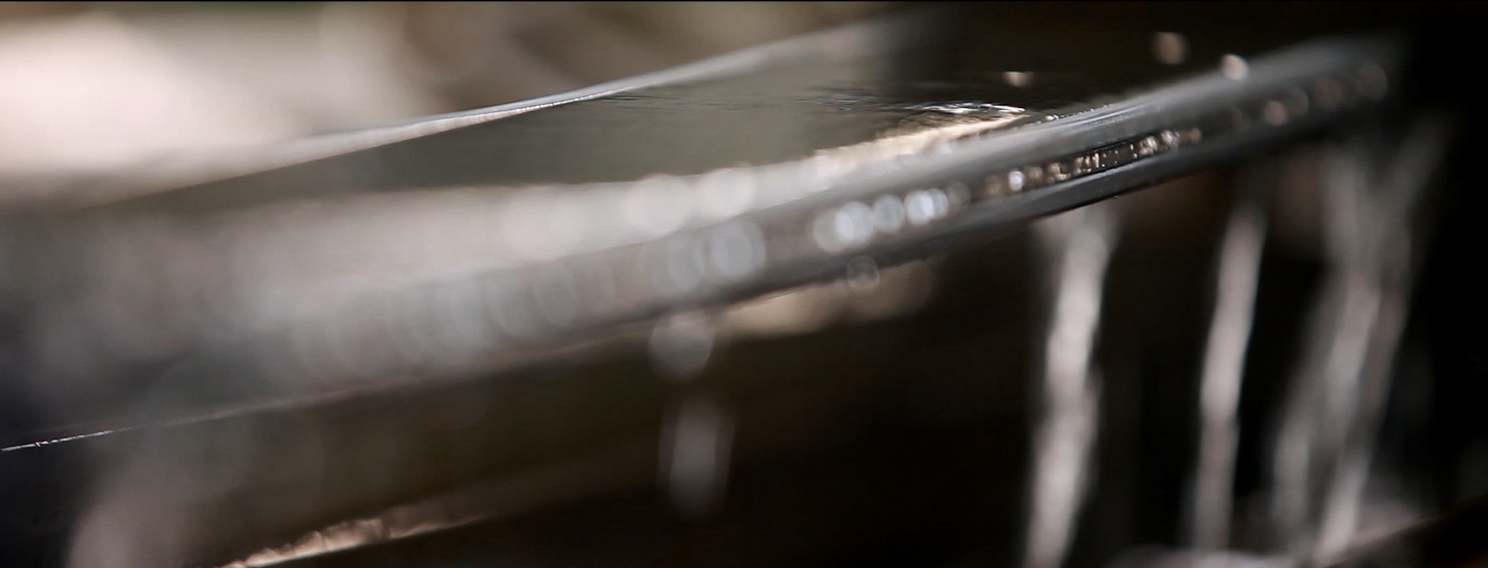
3. Layer Integration: Inside the die head, the molten layers are brought together and merged into a single composite structure. The precise design of the die head and the flow of materials ensure that the layers adhere to each other effectively. The coextrusion process enables the formation of a strong bond between the layers, resulting in improved durability and performance.
4. Shaping and Cooling: Once the layers are fused together, the composite material is shaped according to the desired profile or form. This can be achieved using various techniques such as extrusion molding or profile extrusion. The shaped product then passes through a cooling system, such as water baths or air cooling, to solidify and stabilize the coextruded WPC.
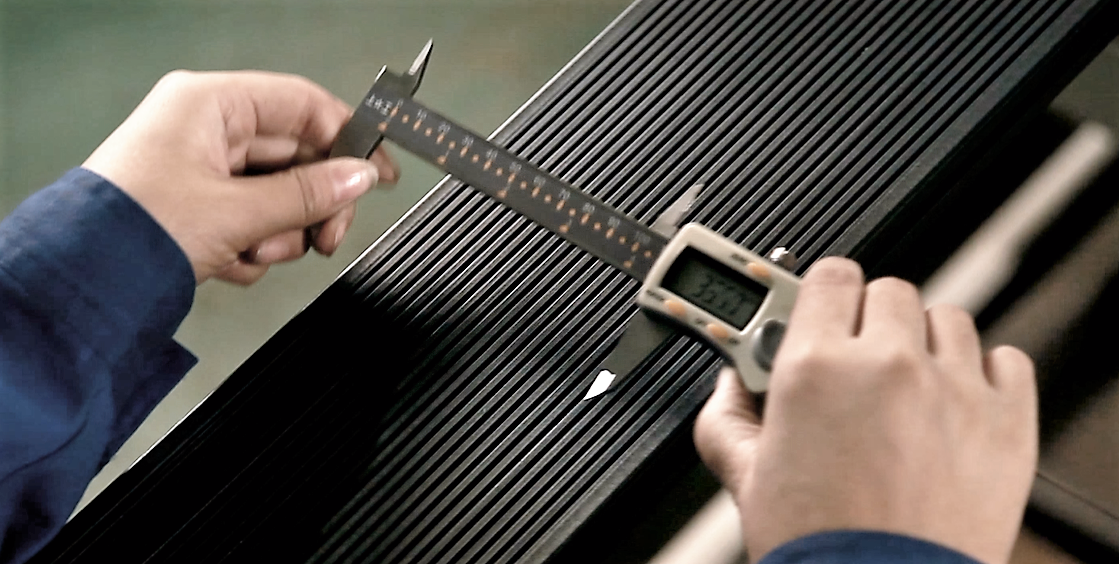
5. Finishing and Cutting: After the cooling process, the coextruded WPC undergoes further finishing steps, which may include surface texturing, embossing, or application of protective coatings. The composite material is then cut into the desired lengths or shapes using cutting equipment.